A simple moment in nature can transform the way young children learn—but only if we slow down enough to notice. This morning, as the children in my home childcare played in the front yard (our backyard is still getting a makeover), one of my littles spotted some dark clouds roll in.
“Miss Sue, look it’s going to rain. See the clouds!”
Without hesitation, he grabbed a chair, walked to the grassy area, and sat down to watch. Soon, two other toddlers followed, pulling up their own chairs to join him, but those toddlers needed help. So, I assisted the toddlers with the chairs to join him.
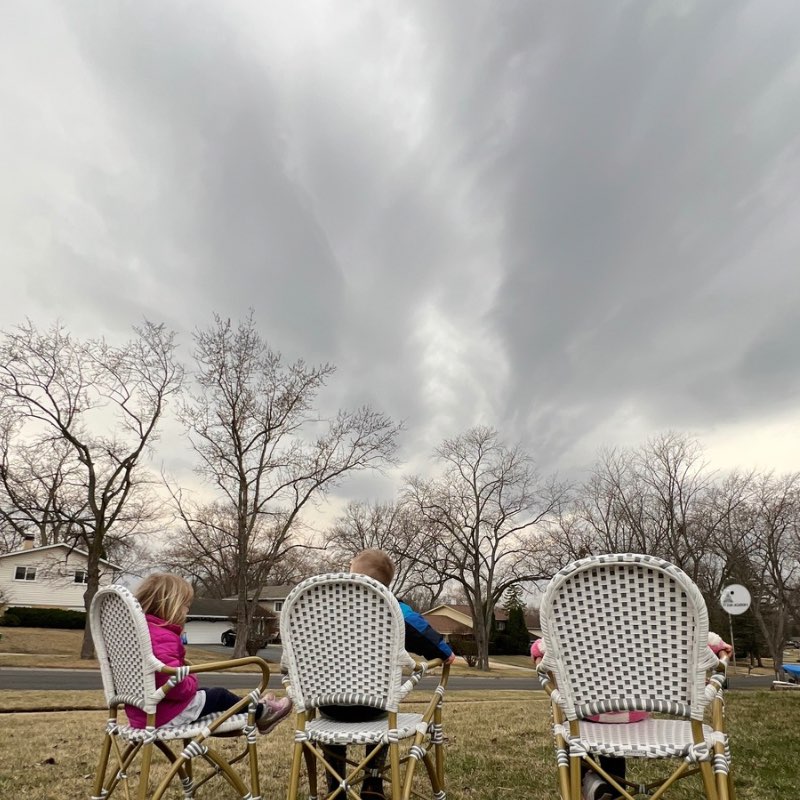
children talking to the rain clouds
But what happened next? Pure childhood unplugged.
They started talking to the cloud, shouting and asking it not to rain because Mr. Ricardo, the landscaper, still needs to finish the backyard.
This simple, unplanned moment held a wealth of learning opportunities. It was a reminder that when we slow down and let children lead their learning, their natural curiosity thrives.
If you are an educator working alone, as I am, I encourage you to give children room to discover and make observations on their own. If you are a childcare center with overwhelmed staff, consider ways to help your team slow down and observe.
Helping Overwhelmed Childcare Staff Slow Down & Observe
If your childcare center staff is feeling rushed, moments like these are a powerful reminder that learning doesn’t always need to be teacher-directed. In fact, slowing down can be a solution for both teachers and children.
Here are some strategies to help you or your staff create a more intentional, child-led environment:
1. Embrace Outdoor Learning
Take a break from structured activities and allow children to observe their environment. Something as simple as cloud-watching can spark science discussions, storytelling, and social-emotional development.
2. Follow the Child’s Lead
Instead of feeling pressure to “teach” every moment, allow children to guide the experience. When they ask questions, turn it into an inquiry-based discussion.
Ask: “Why do you think it is going to rain?”
Listen as the children share their thoughts. This gives you insight into what they already know and allows you to expand their learning with open-ended questions or turn the topic into a project.

flower buds – perfect for simple observations
3. Create a Nature Pause
Dedicate at least 15 minutes each day where children and staff simply sit outside, notice their surroundings, and talk about what they see, smell, hear, or feel.
Spring is a beautiful season of awakening—birds are returning, plants are budding, and the world is full of changes worth observing.
4. Integrate Learning Standards into Daily Observations
Even an unplanned moment like today’s cloud conversation can tie into early childhood learning standards (see below).
Illinois Early Learning Standards Connection
This simple observation and discussion about rain clouds aligns with multiple Illinois Early Learning and Development Standards (IELDS):
Science
- Children ask questions and make predictions about their environment.
- Recognizing and describing weather patterns connects to early science and environmental learning.
Language Development
- Engaging in conversations (even with a cloud) builds oral language and social-emotional skills.
- Encouraging children to express thoughts expands their vocabulary and storytelling abilities.
Social-Emotional Development
- Taking turns speaking and listening fosters communication skills and empathy.
- Understanding weather changes builds resilience and helps children process their environment.

the science of observing track marks on tree branches
Bringing More Nature-Based Learning Into Your Childcare Center
Does your home childcare or center provide opportunities for children to slow down and connect with nature? It doesn’t take expensive materials or extensive planning—just a shift in mindset.
Today is the perfect day to start. If not today, then tomorrow. But try not to keep postponing the moment or the connection.
If you have a child who struggles to engage, try connecting with that child through nature. Set up a simple outdoor observation area—a little sit spot. Encourage children to notice the sky, trees, changes in the weather, birds in flight, or flowers growing. You might be surprised at the rich learning that unfolds.
For Directors & Owners:
If your staff is feeling overwhelmed, consider incorporating more child-led, nature-based experiences into the day. Not only does it benefit children—it also provides a breath of fresh air for your educators.
I help childcare centers in Illinois integrate nature into daily learning. I also train staff on implementing play-based curriculum, incorporating loose parts, and fostering child-led play. If you are looking for guidance, let’s connect.
Let’s create calm, engaging learning environments where curiosity leads the way.
Until next time, I am Miss Sue your educator in the trenches with you.


